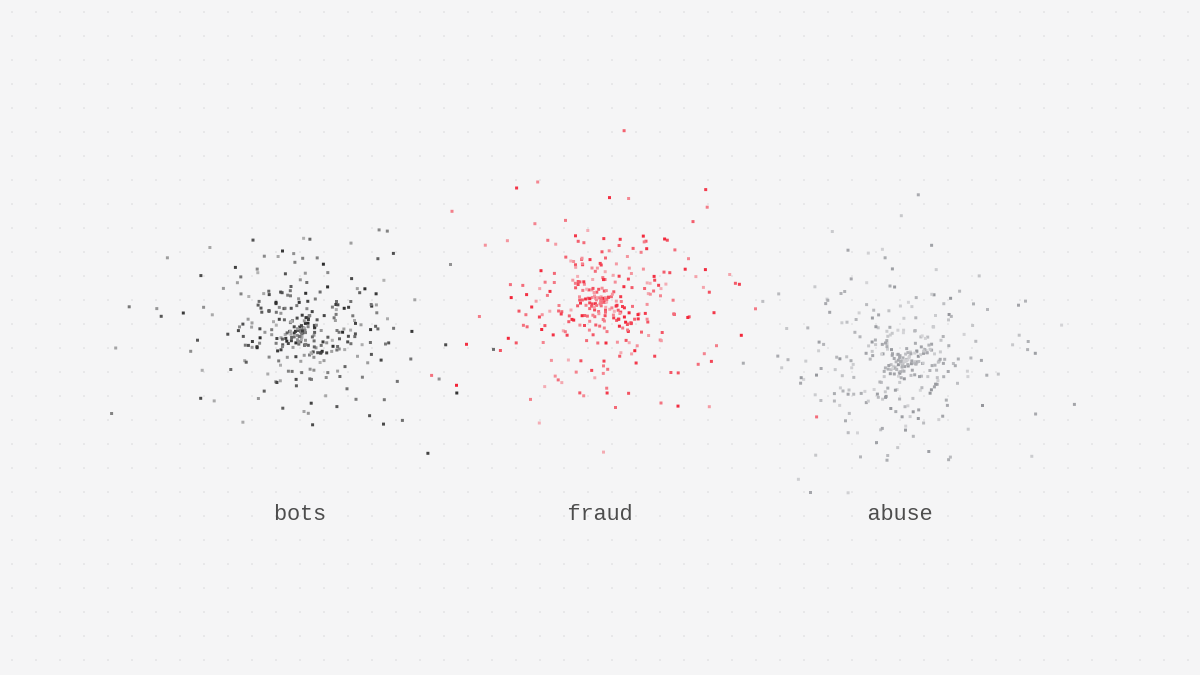
Four kinds of evidence: browser, device, network, behavior
Each evidence source sees a different part of a session. Combined, they tell a story no single signal can.
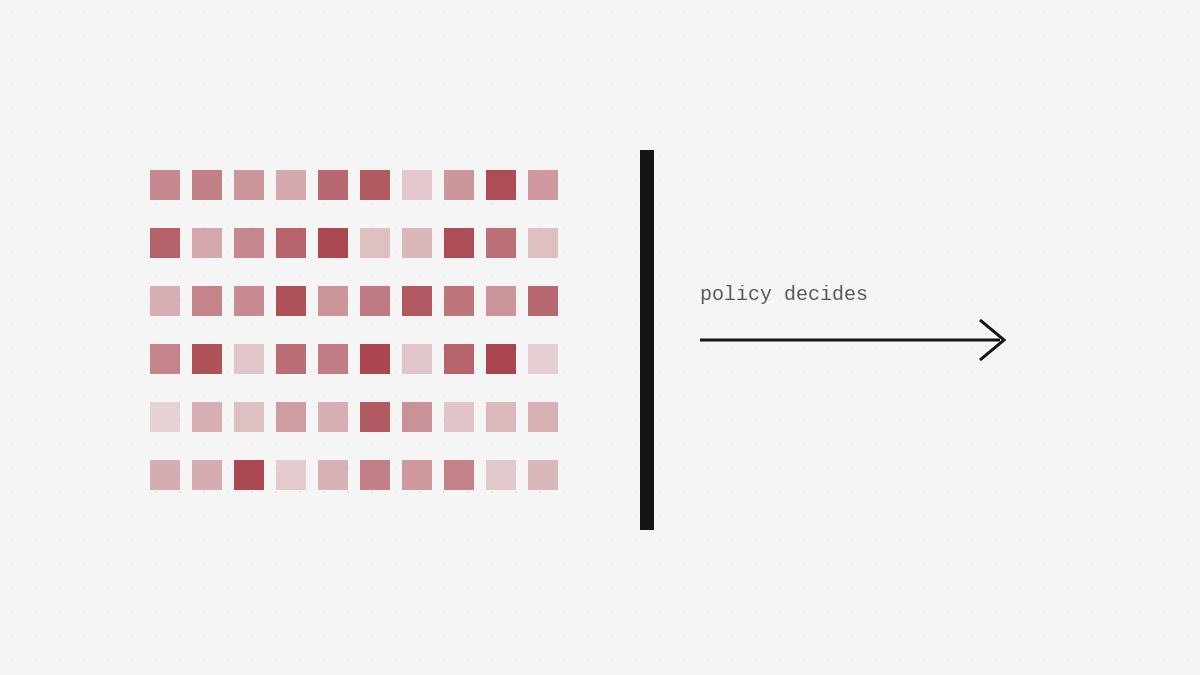
A single request carries surprisingly little truth on its own. Headers can be copied and addresses can be borrowed. Useful risk decisions come from combining sources that are hard to fake all at once.
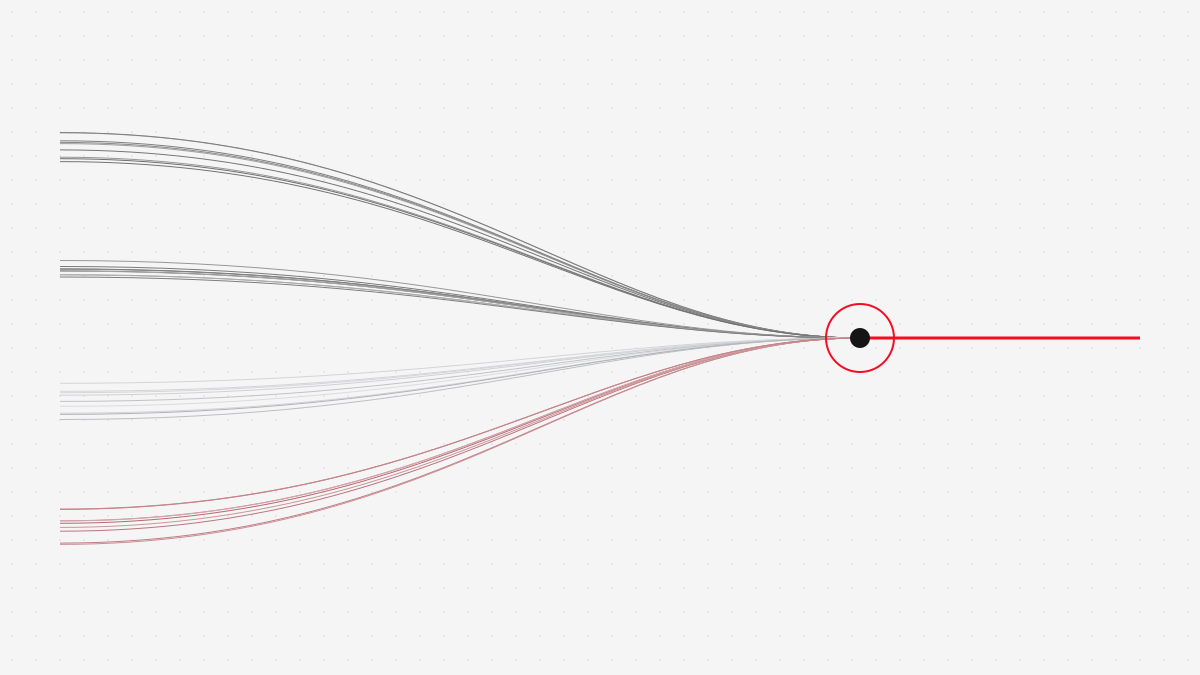
Browser evidence describes the environment the page actually ran in: whether it behaves like the browser it claims to be, and whether automation frameworks have left their marks. Device evidence looks at the characteristics of the machine and its consistency across visits. Network evidence considers where traffic comes from and how it travels. Behavioral evidence looks at how a session unfolds over time: its pace, its order of actions and its rhythm.
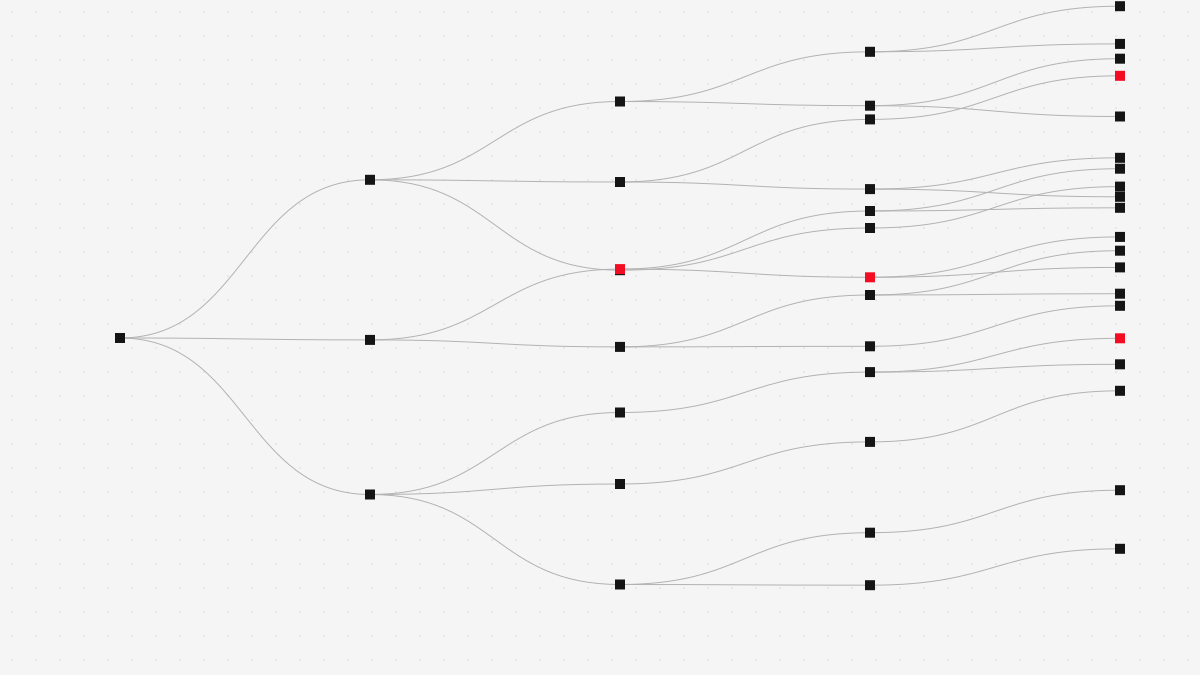
Any one of these can be noisy. Real users travel, switch networks and use unusual browsers. The value comes from connecting them: a session whose browser, device, network and behavior tell the same story is very different from one where they contradict each other.
This is the shape of what Noxtica does: it connects browser, device, network and behavioral evidence into explainable risk reads. Collecting signals responsibly, and only those needed for the decision, matters as much as combining them well.