Where language models help in security tooling, and where they should not decide
Models are good at reading messy interfaces and summarising evidence. Permissions and policy still belong to rules people can audit.
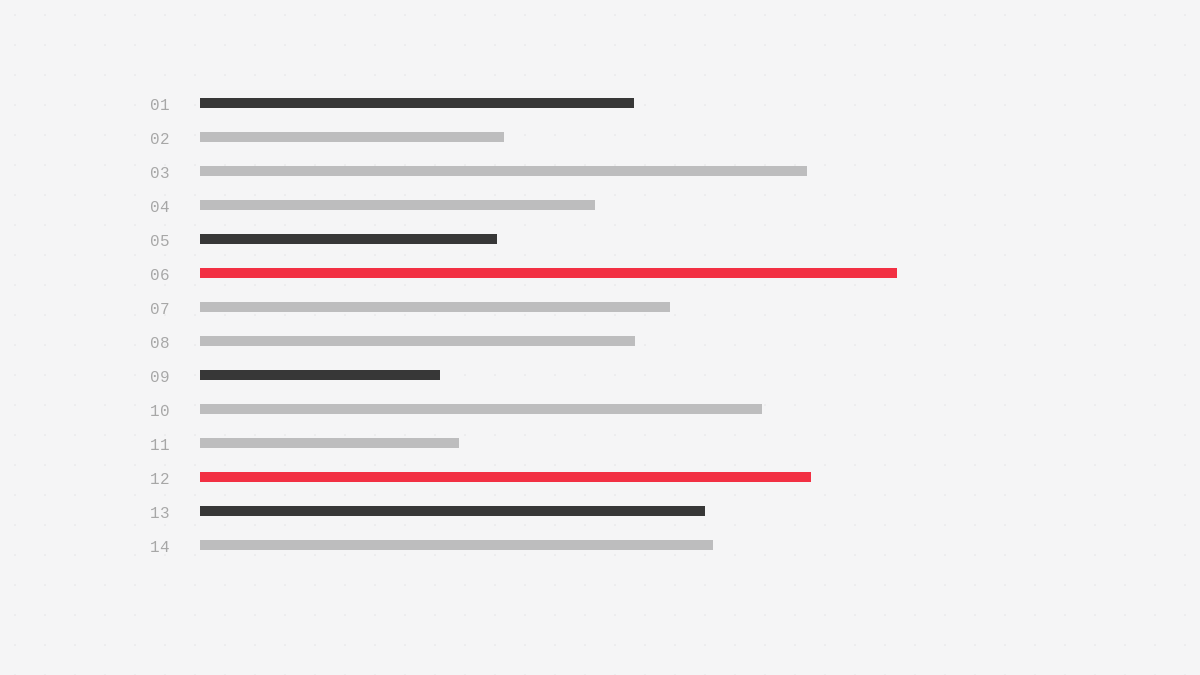
Language models are useful in security work in places where traditional tools struggle: understanding what a dynamic interface is for, recognising which form fields matter, summarising large amounts of evidence into something a person can review, and explaining why a signal looks unusual.
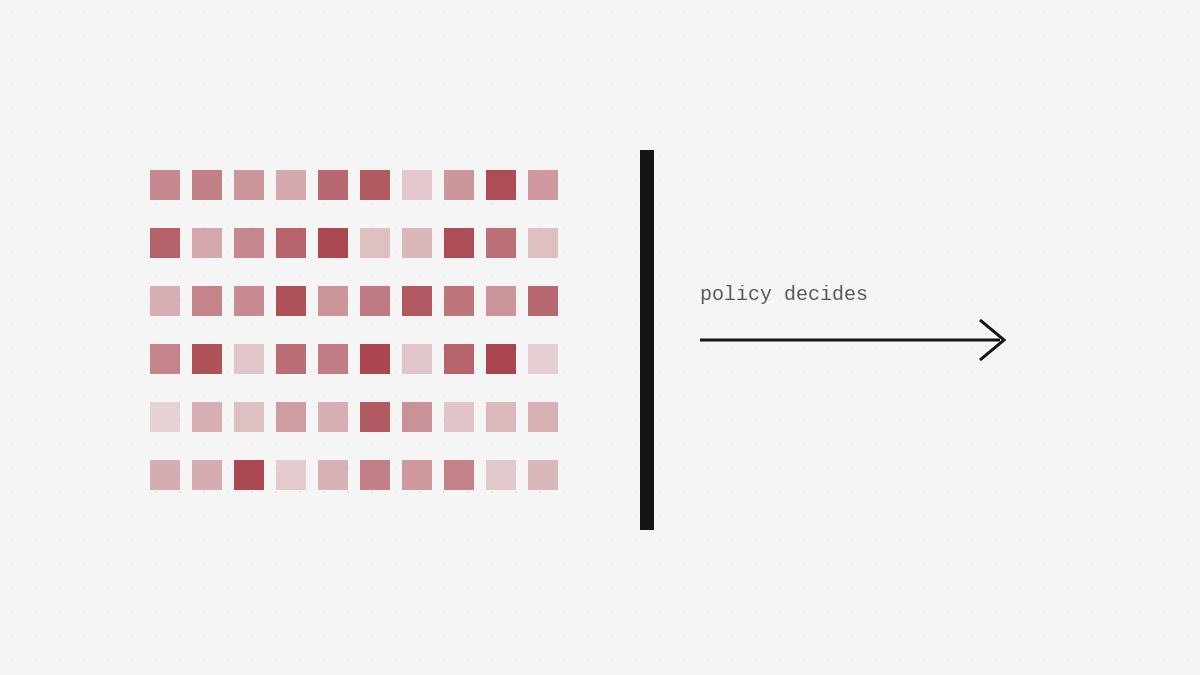
They are less suited to being the final authority on what is allowed. A model can be wrong with confidence, and it can be steered by the very content it reads; a page under test can contain text written to manipulate an automated reader. If a model decides scope or permissions, a hostile page could talk the tool past its boundaries.
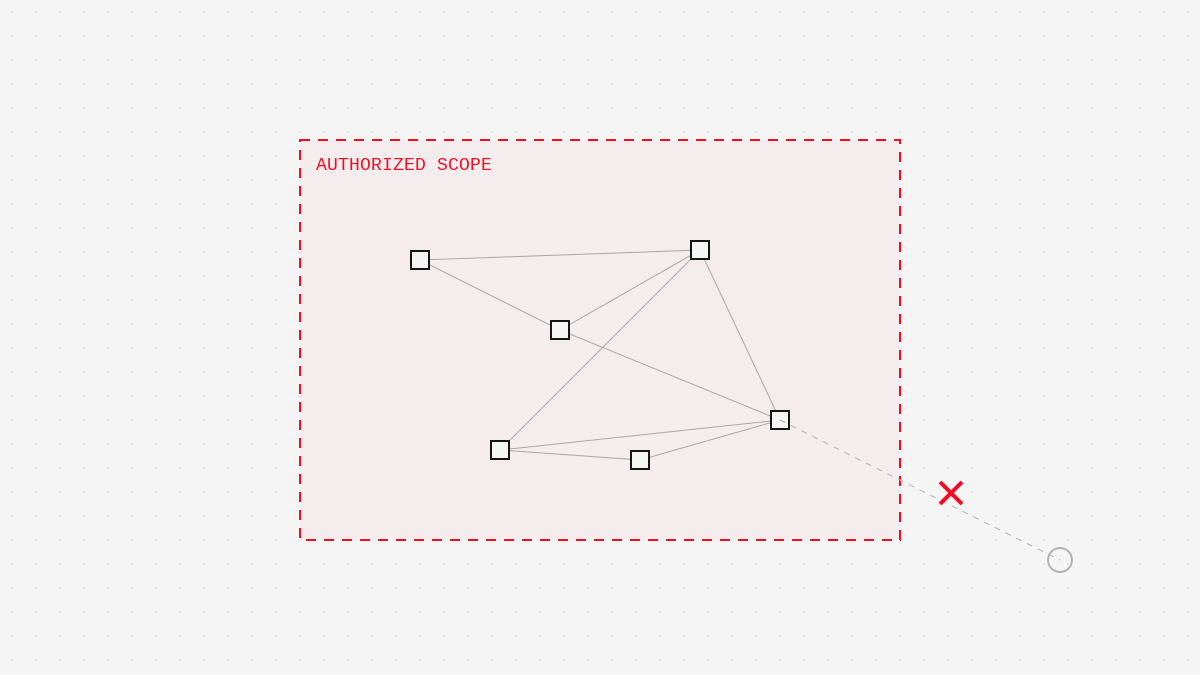
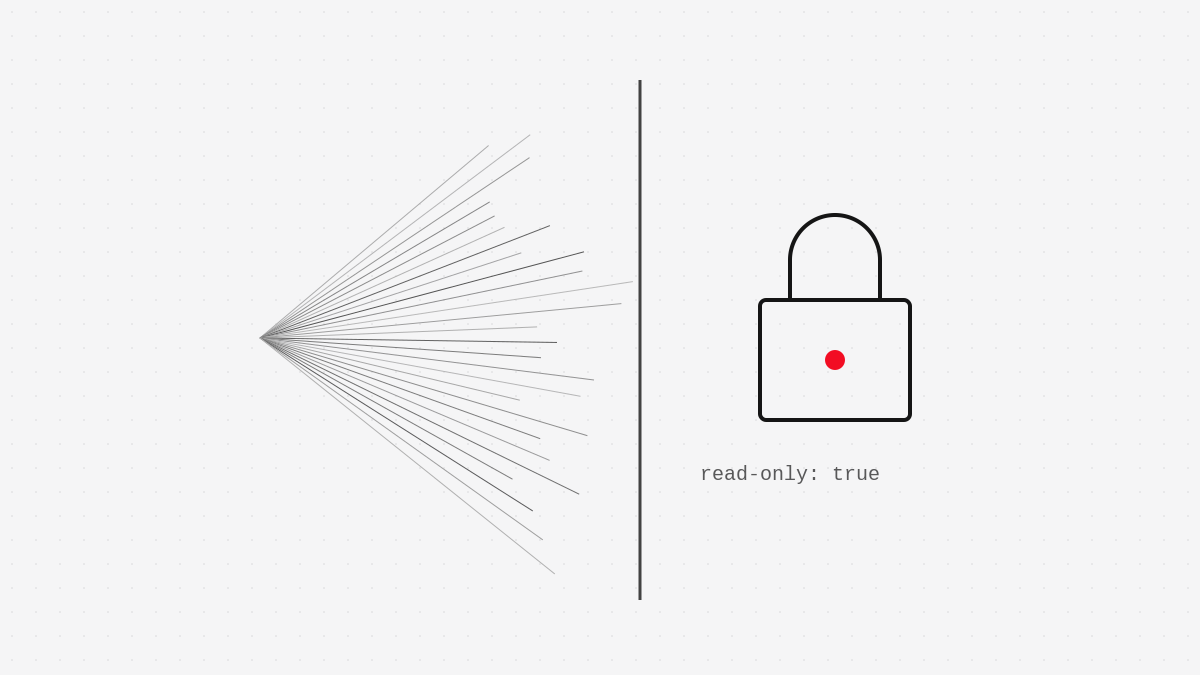
The practical pattern is to let models assist inside a frame they cannot change. Hard rules, such as the authorization record, refusing defaults and the recorded scope, sit outside the model and are enforced in code. The model proposes and explains; the safety layer decides what is permitted; people review the outcome.
Noxtica is agentic security and risk intelligence, and CrawlX is an AI/LLM-native crawler. Both are built around AI from the start, which is exactly why the boundaries around the AI matter.