News and research notes
Notes from the practice behind Noxtica, CrawlX, ProxyX and BrowserX.
Short explainers on authorized testing, responsible disclosure, attack-surface mapping and explainable risk intelligence, written by NoxRed Security Research.
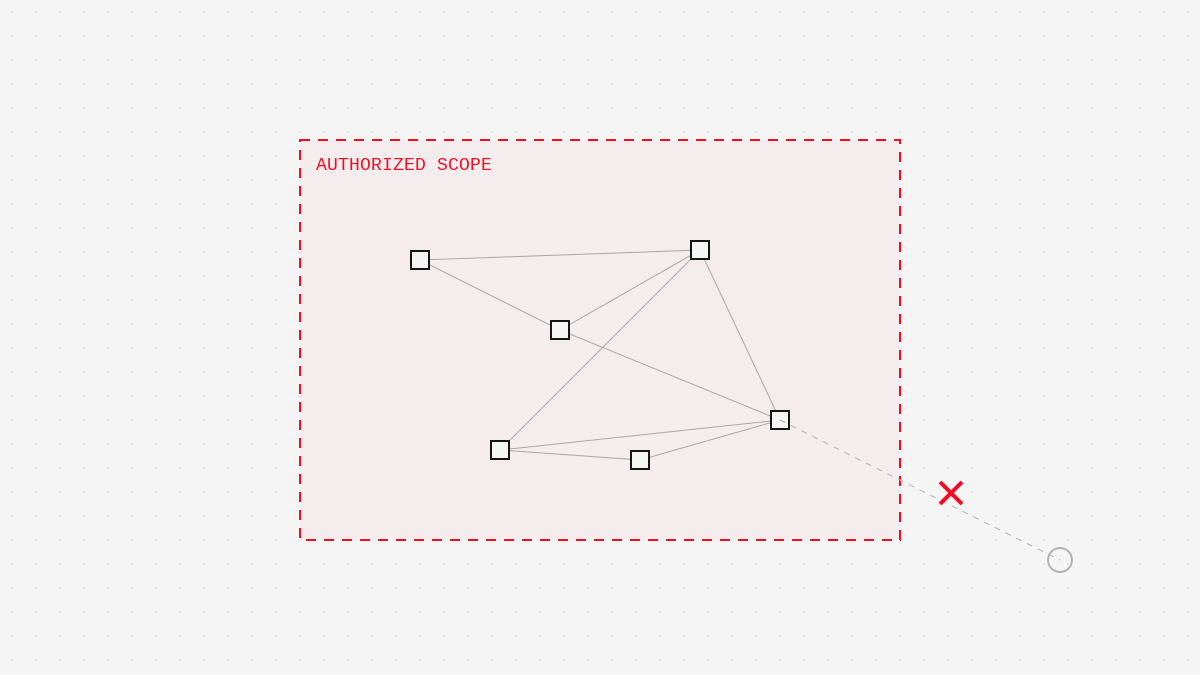 Authorization comes before the first request
Security testing starts with a written scope, not with a tool. Why the authorization record is the first artifact of any engagement.
Read the article
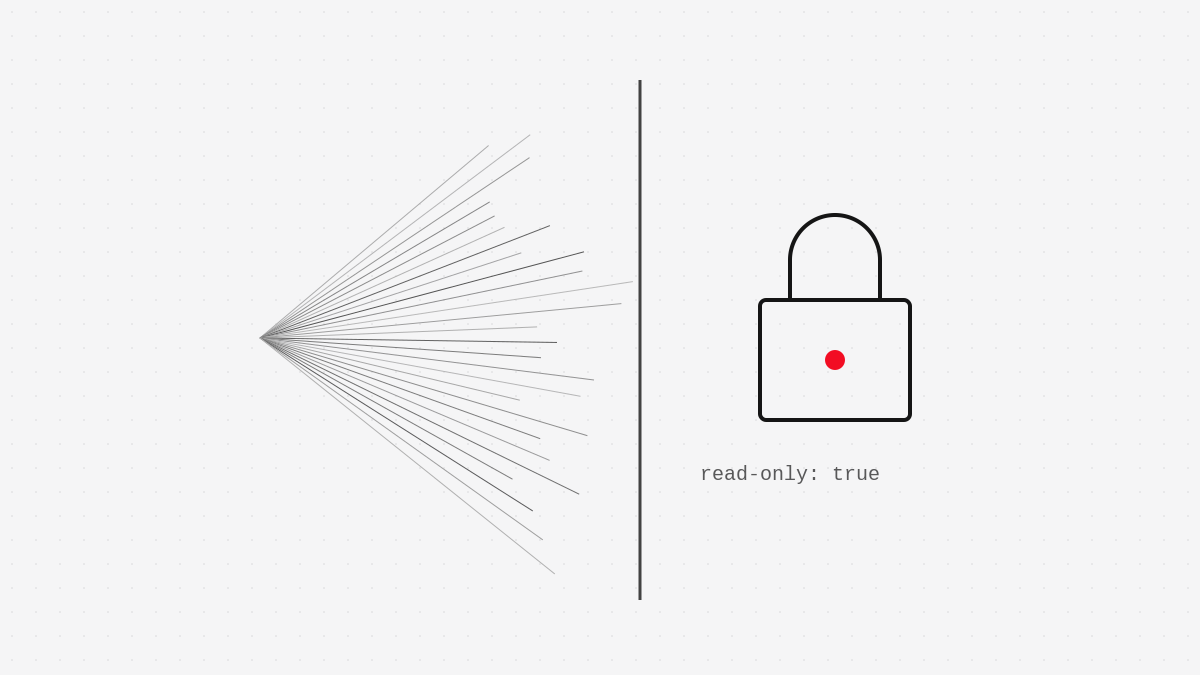 Read-only by default: why a crawler should refuse first
Safe defaults are a design decision. A crawler that observes first and asks before it acts protects the system under test and the person running it.
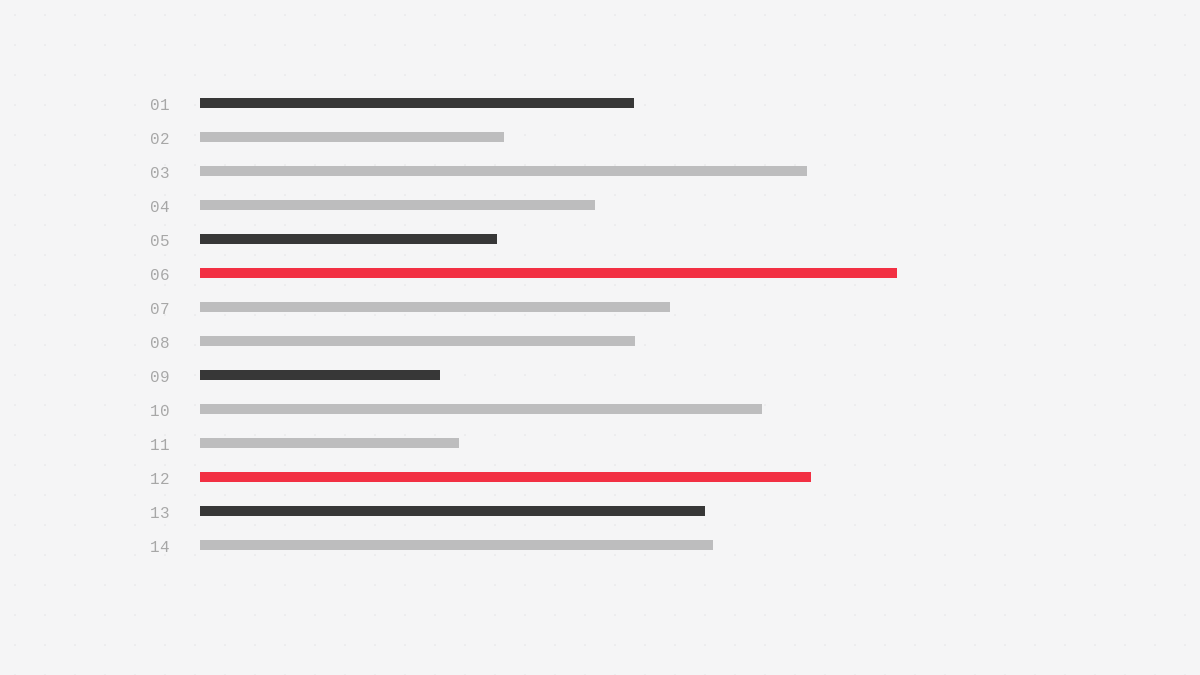 What an audit journal is for
A record of every action a tool took is how a test stays reviewable, reproducible and accountable. What belongs in it and why.
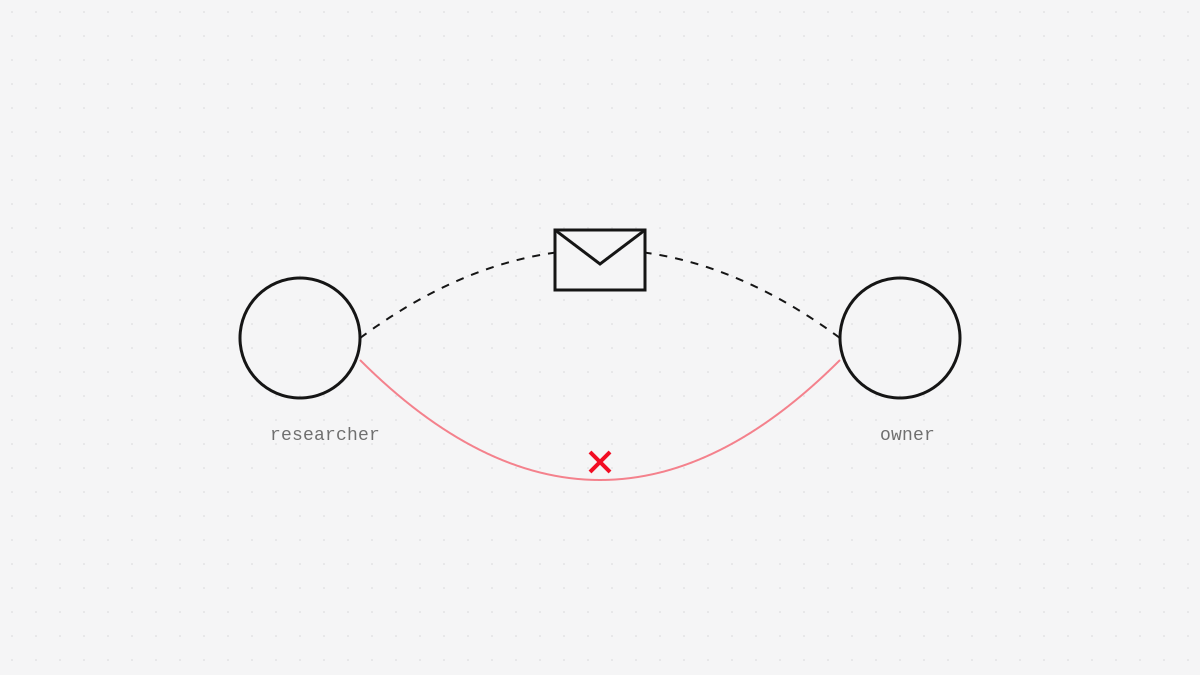 Responsible disclosure, step by step
Finding a vulnerability is half the job. Reporting it privately, clearly and without harmful detail is the other half.
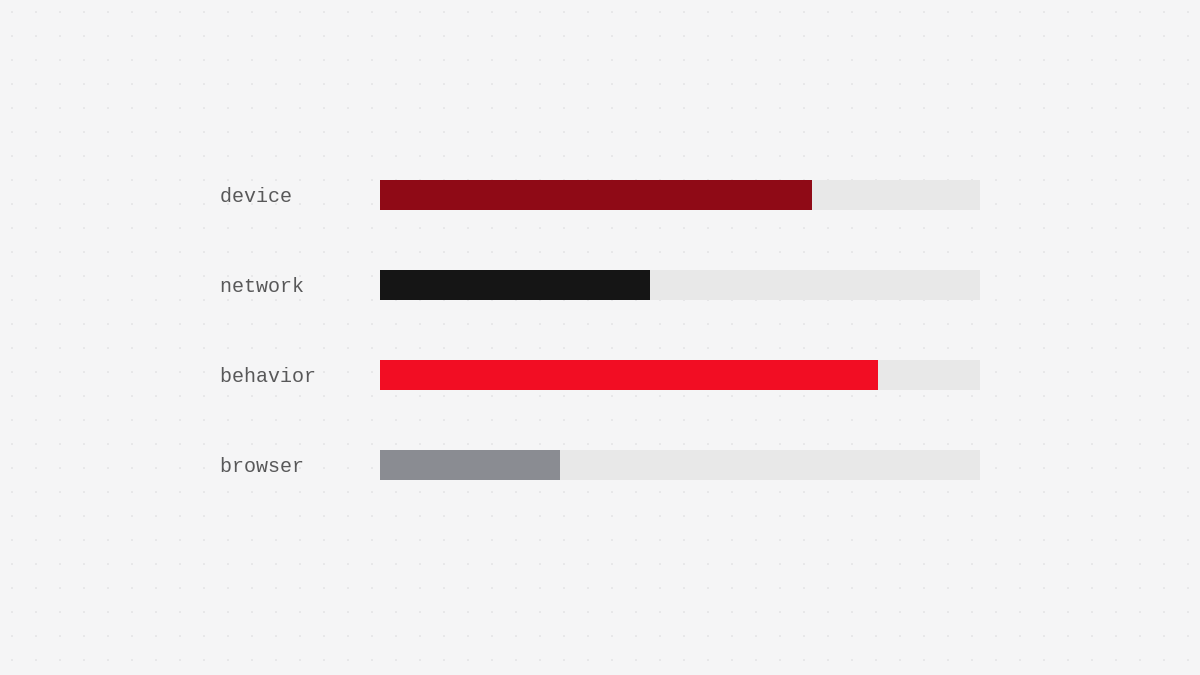 Explainable risk reads beat opaque scores
A number without reasons is hard to trust and harder to act on. Why risk signals should arrive with the evidence behind them.
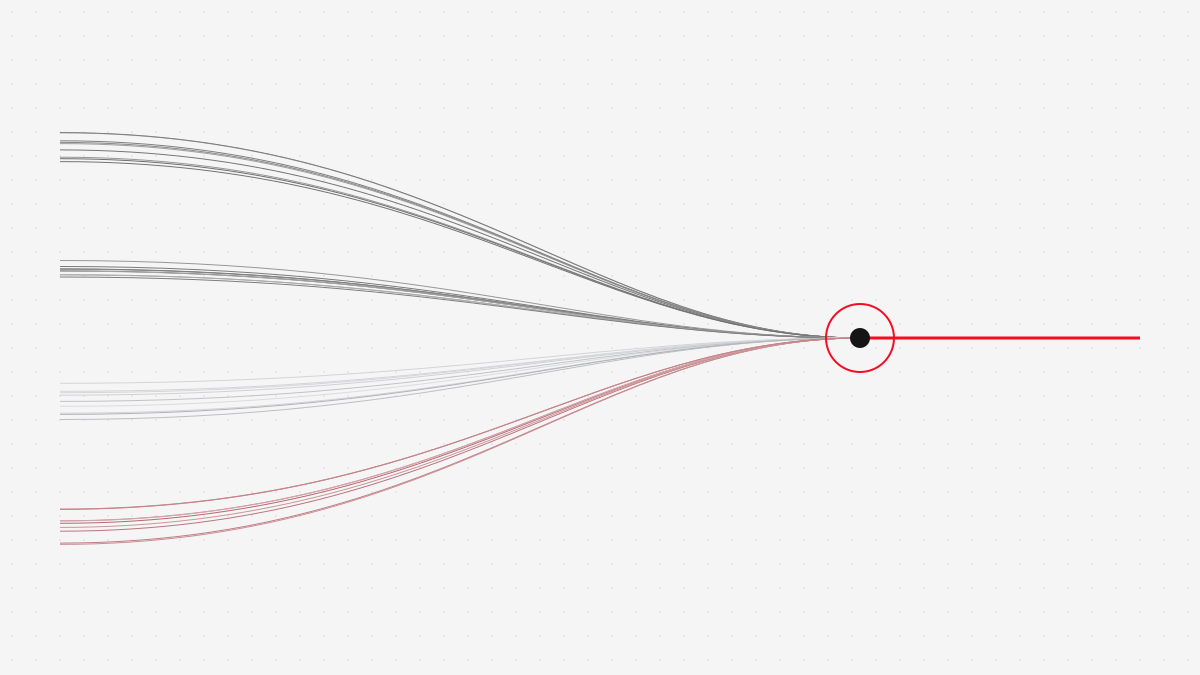 Four kinds of evidence: browser, device, network, behavior
Each evidence source sees a different part of a session. Combined, they tell a story no single signal can.
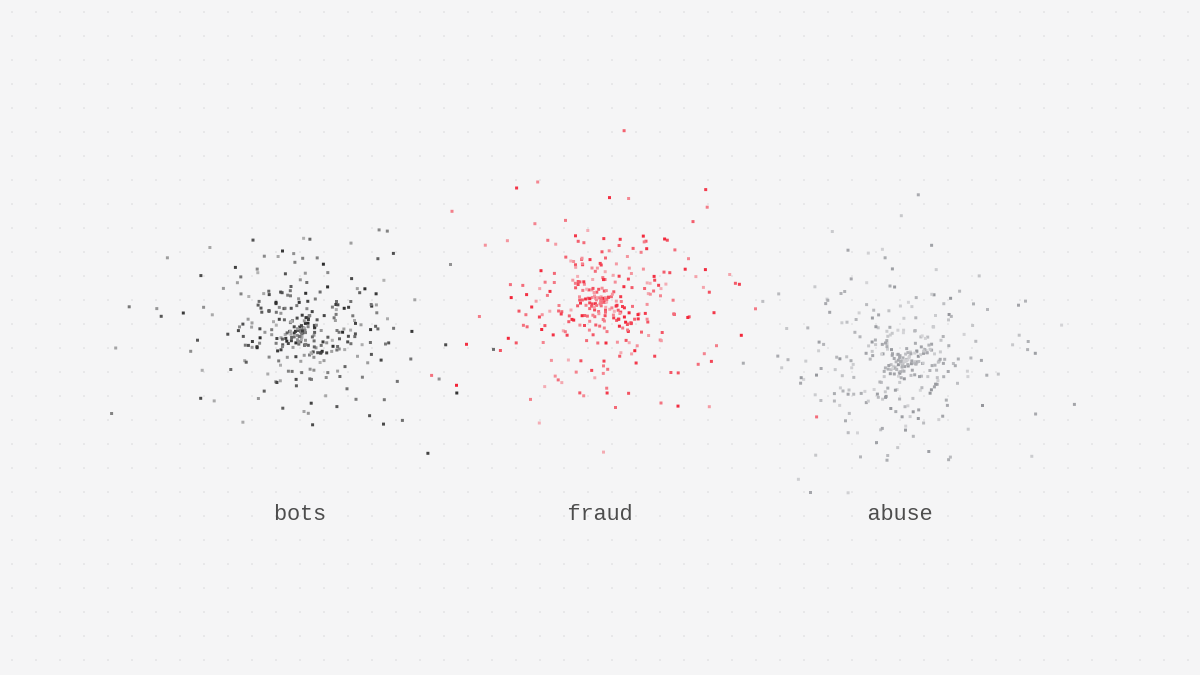 Bots, fraud and abuse are different problems
They often arrive together, but they have different motives, signals and costs. Treating them as one problem leads to blunt defences.
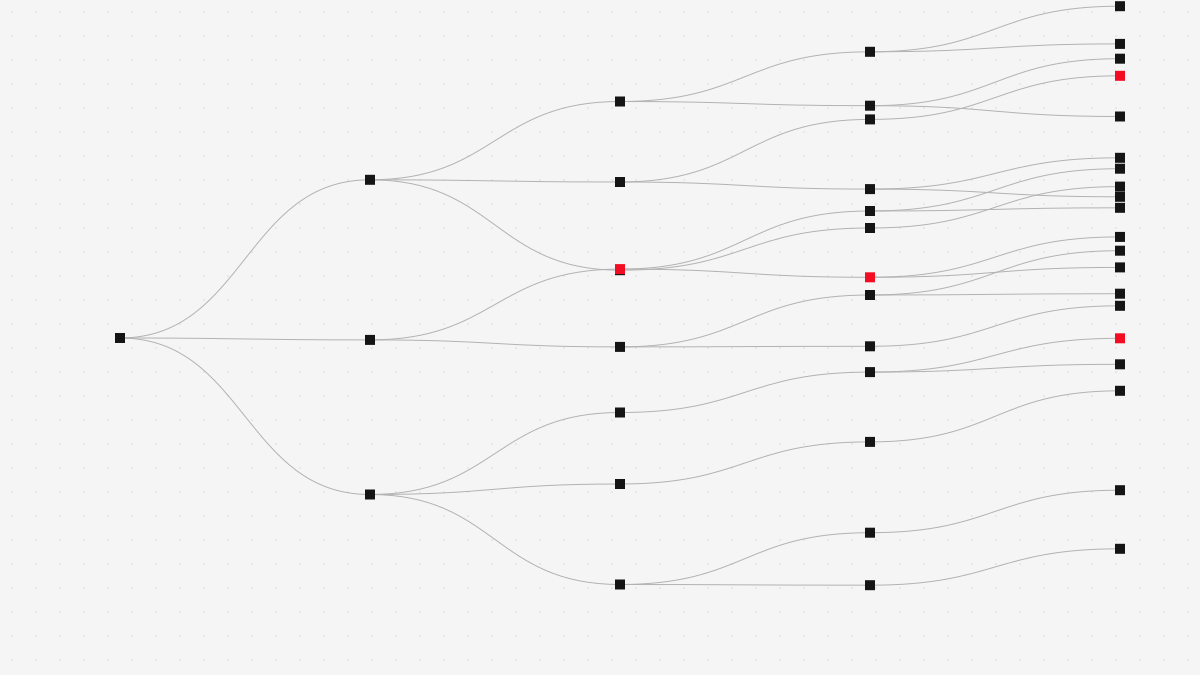 Mapping an attack surface without breaking it
Discovery is not exploitation. How to learn what an application exposes while keeping the system under test healthy.
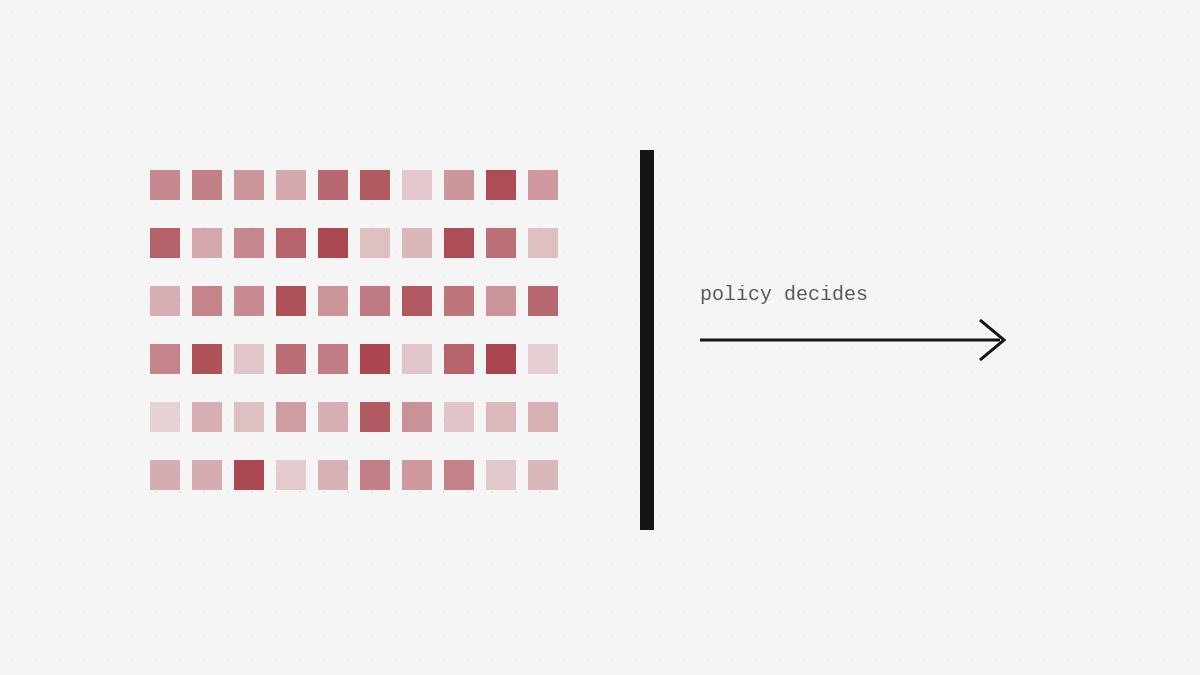 Where language models help in security tooling, and where they should not decide
Models are good at reading messy interfaces and summarising evidence. Permissions and policy still belong to rules people can audit.
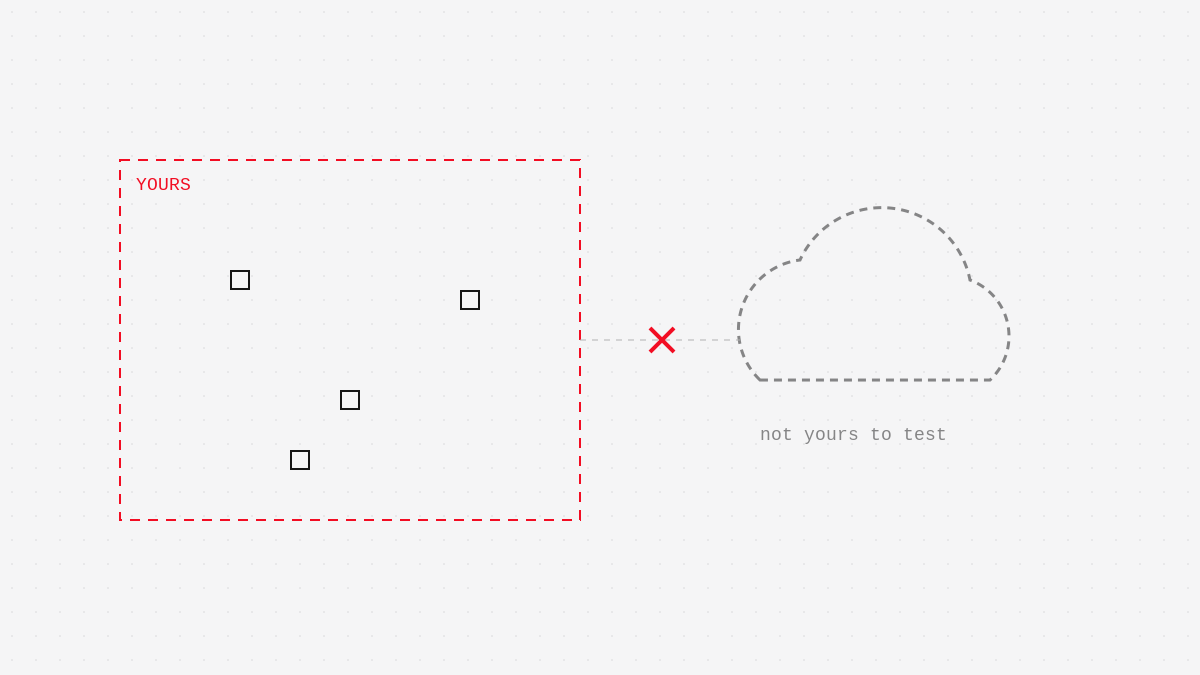 Third-party infrastructure is not yours to test
Your application runs on services you do not own. Permission from the application owner does not extend to them.