Mapping an attack surface without breaking it
Discovery is not exploitation. How to learn what an application exposes while keeping the system under test healthy.
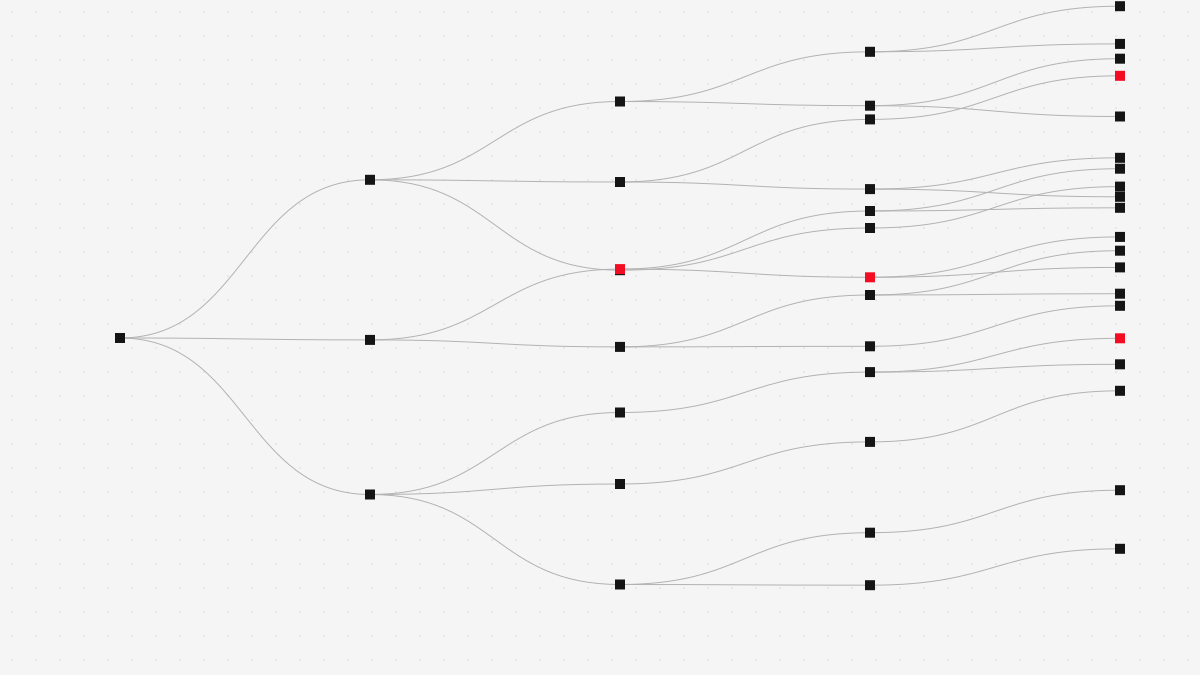
Before anyone can assess the security of a web application, they need to know what it exposes: pages, routes, parameters, forms, scripts, and the paths between them. Modern applications assemble much of this at runtime, so a list of links in HTML is rarely the whole picture.
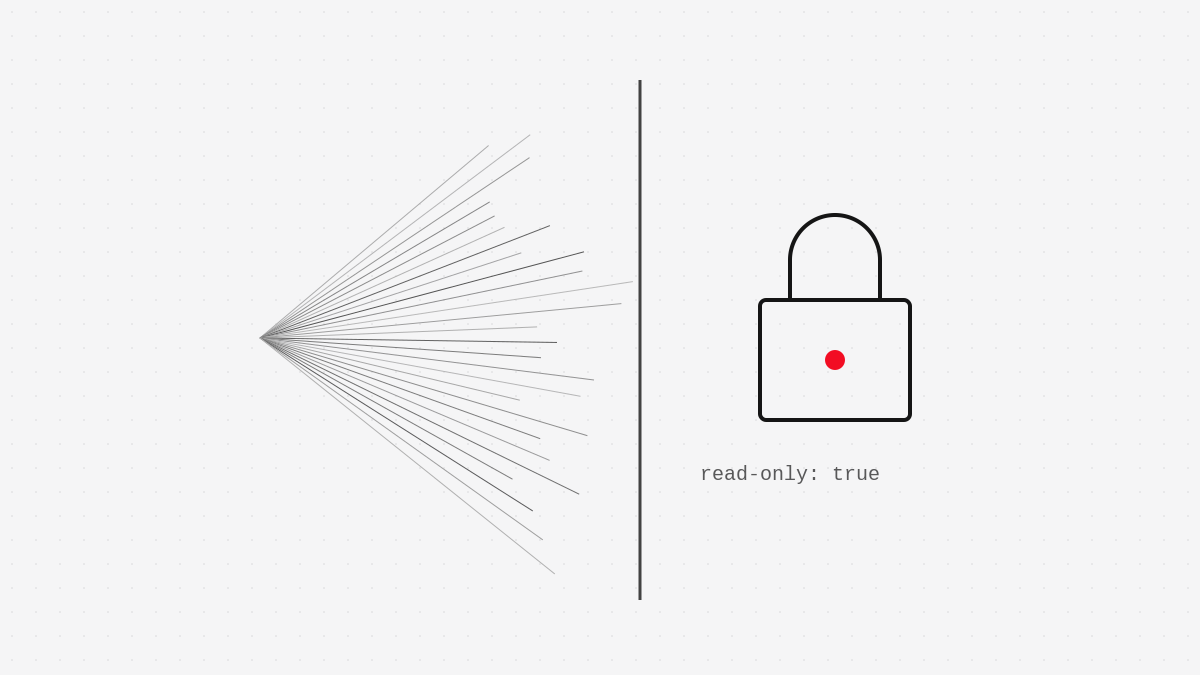
Mapping is an observation task. It means following what the application offers, rendering what needs rendering, and recording what was found, without submitting destructive actions or flooding the target. Request pacing matters: a map is worthless if producing it took the service down.
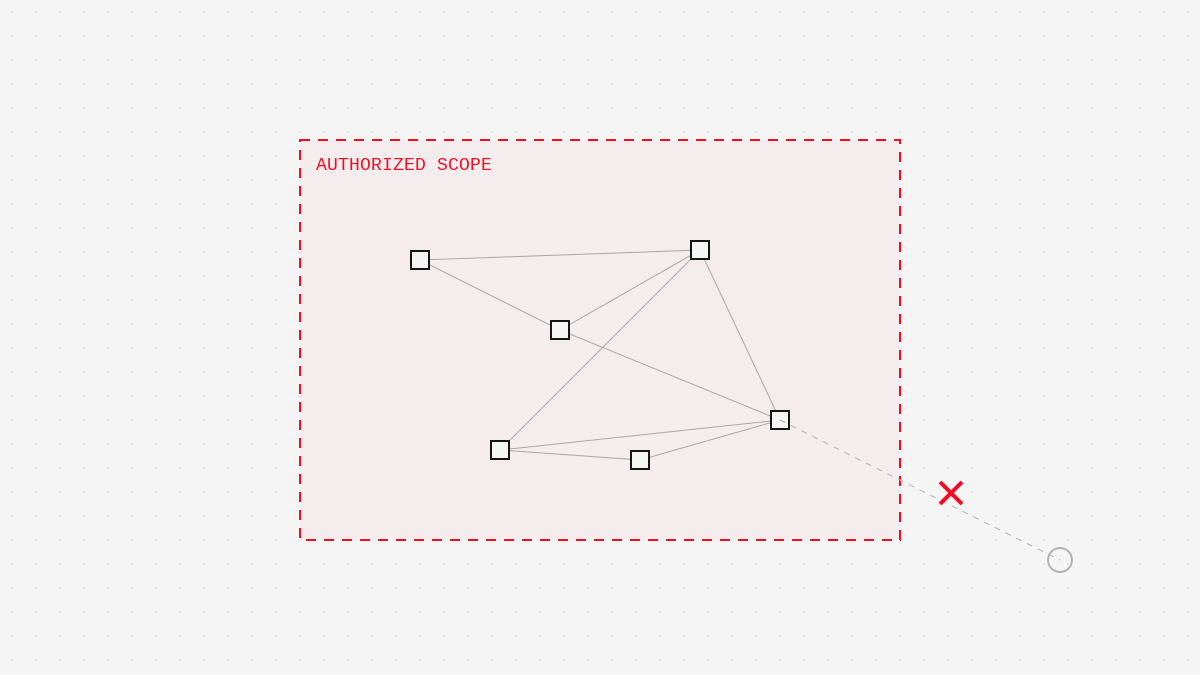
Scope matters just as much. Applications link to payment providers, analytics, content networks and identity services that belong to other organisations. A careful map records those links but does not follow them into systems outside the authorization.
CrawlX maps the attack surface of dynamic web applications you are authorized to test, behind a hard safety kernel, authorization records and an audit journal. The output is a map someone can act on, produced without harming the system it describes.
ProxyX can serve as an upstream pool gateway for CrawlX, without relaxing its scope, robots or egress rules.
BrowserX pools and supervises the browsers behind a crawl, and CrawlX can attach to its sessions over the Chrome DevTools Protocol. Its sessions can egress through ProxyX, and each product keeps its own authorization and egress rules.