Responsible disclosure, step by step
Finding a vulnerability is half the job. Reporting it privately, clearly and without harmful detail is the other half.
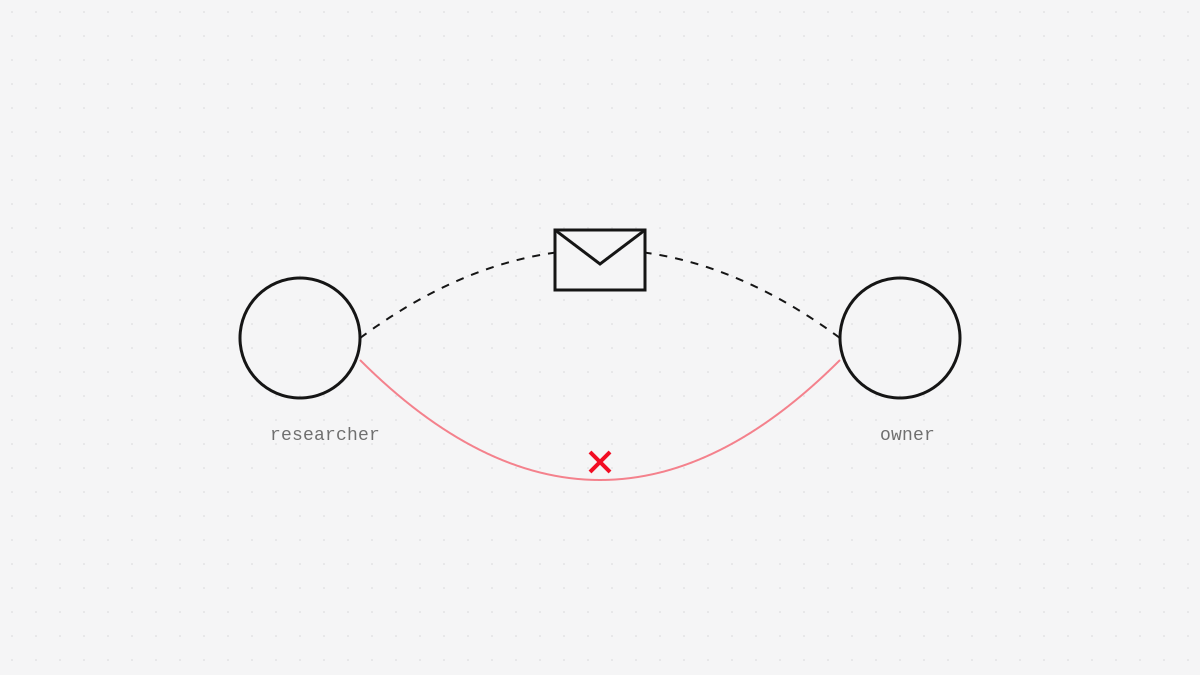
A vulnerability report is read by people who did not ask for bad news and now have to act on it. The way it is delivered decides whether it gets fixed calmly or turns into a public problem.
Report privately, to the owner. Use the channel the owner provides, such as a security contact or private vulnerability reporting on the repository, and never a public issue tracker for something you suspect is a vulnerability. Public issues are visible to everyone, including people who would rather exploit the problem than fix it.
Keep the report precise and minimal: what is affected, how to reproduce it in the owner's environment, what the impact is, and what you did and did not do while testing. Leave out live credentials and real personal data. If you came across them, say so in general terms; do not copy them into the report.
Then give the owner room to respond, and stay available for questions. For CrawlX itself, the route is private vulnerability reporting on the CrawlX repository, not a public issue.