What an audit journal is for
A record of every action a tool took is how a test stays reviewable, reproducible and accountable. What belongs in it and why.
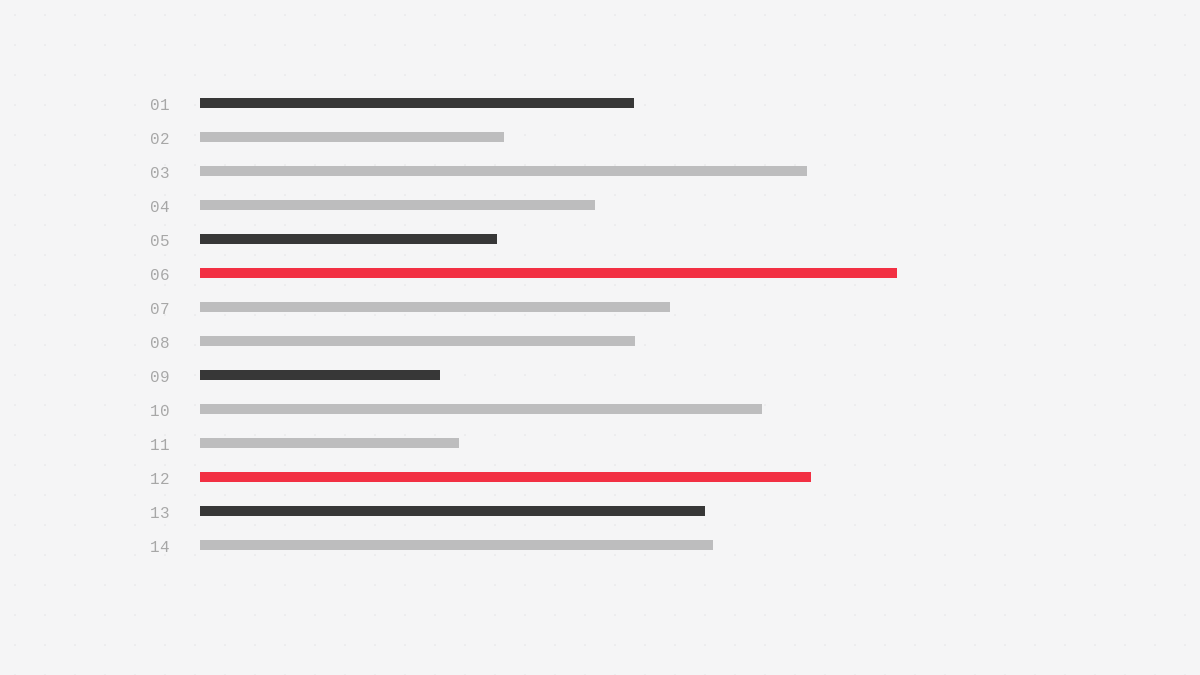
When a test finishes, two questions always follow: what did the tool actually do, and can we do it again? Memory and terminal scrollback are poor answers to both. An audit journal is the durable answer.
A useful journal records each action with enough context to understand it later: the target, the kind of request, the authorization it ran under, the time, and the outcome. It is written as the work happens, not reconstructed afterwards, and it is kept somewhere the operator cannot quietly edit.
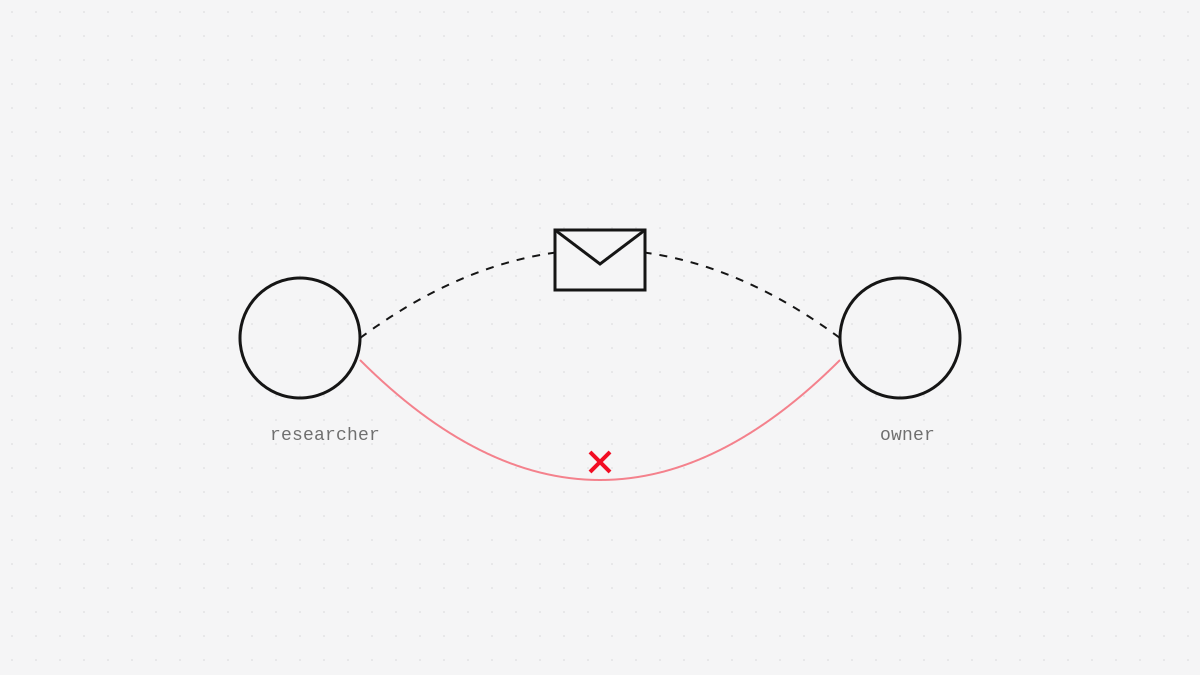
The journal serves several readers. The system owner can see that the test stayed inside the agreed scope. The researcher can reproduce a finding precisely instead of approximately. And when something unexpected happens on the target, the journal shows quickly whether the test was involved.
CrawlX keeps an audit journal alongside its safety kernel and authorization records. Together they make the work explainable after the fact, which is what turns a scan into evidence.