Read-only by default: why a crawler should refuse first
Safe defaults are a design decision. A crawler that observes first and asks before it acts protects the system under test and the person running it.
Most damage done by security tooling is not malicious. It comes from a default that was too permissive: a form that got submitted, a delete link that got followed, a request rate that a small server could not absorb. The tool did exactly what it was built to do, on a system nobody meant it to touch that way.
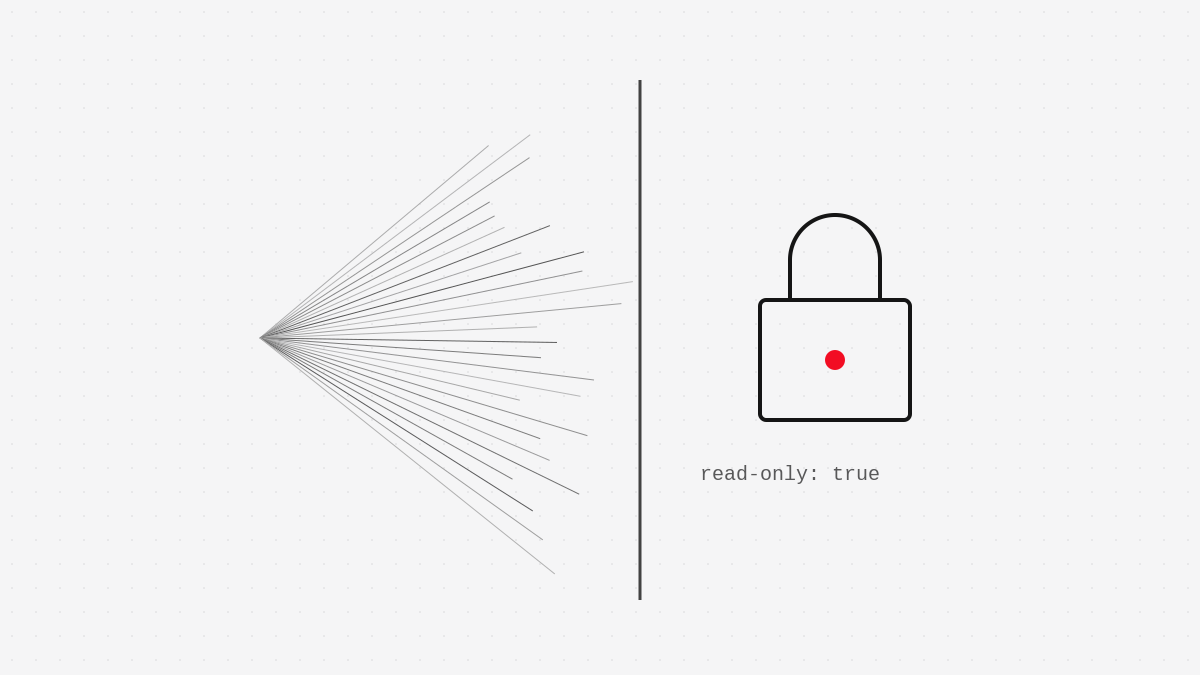
A read-only default flips that relationship. The tool observes what an application exposes, the pages, routes, parameters and responses, without changing state. Anything that could alter data, trigger workflows or stress the target becomes an explicit step that someone has to turn on, with a reason.
Refusing first is not the same as being less capable. It means capability is granted deliberately and on the record, instead of being assumed. When wider actions are needed, they are switched on for a defined scope and recorded, so that anyone reviewing the run later can see what was allowed and why.
CrawlX observes what a dynamic web application exposes in read-only mode by default and records what it did. That default is the cheapest safety feature a crawler can have, and the one most worth keeping.