Authorization comes before the first request
Security testing starts with a written scope, not with a tool. Why the authorization record is the first artifact of any engagement.
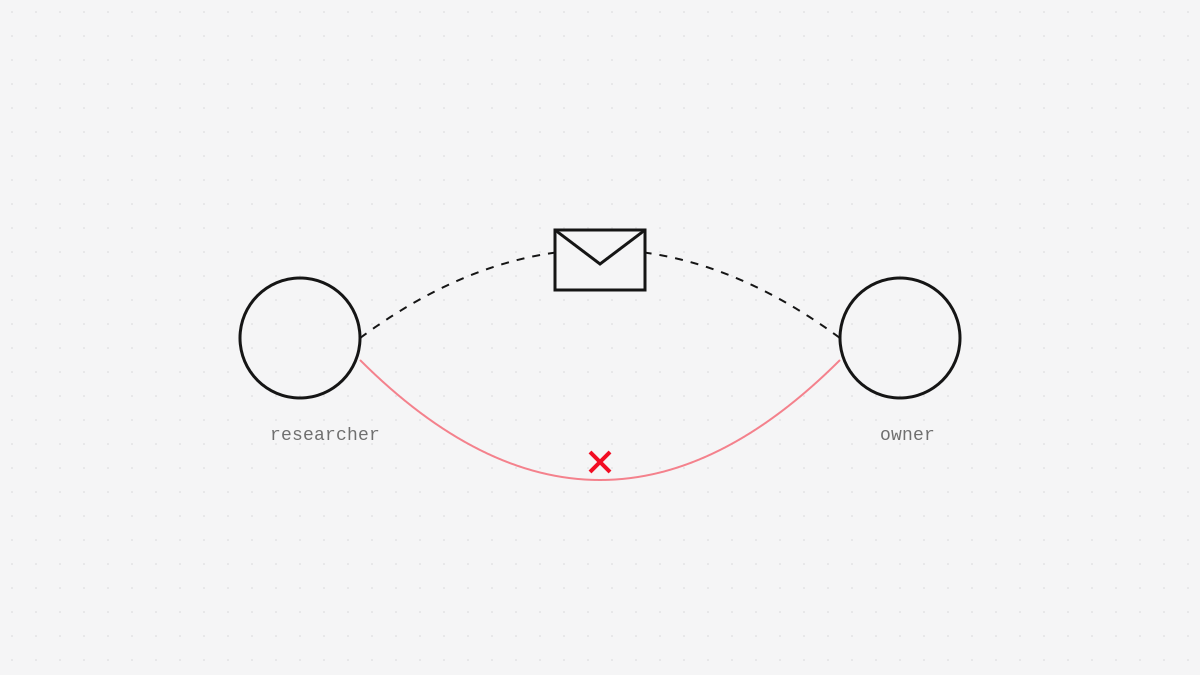
Every useful security test begins long before a packet leaves a machine. It begins with a question that has nothing to do with technique: who said you may do this, and where exactly does that permission end? Testing a system you do not own, without explicit permission, is not research. It is an incident for someone else.
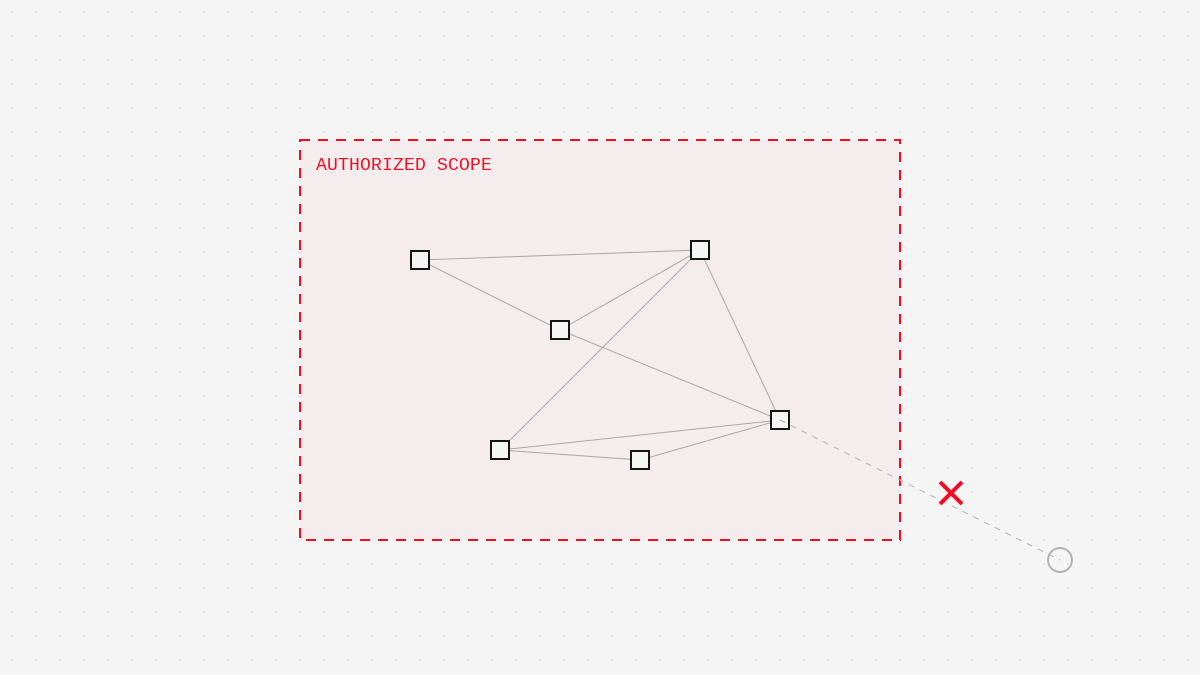
A good authorization is specific. It names the systems in scope by hostname or address range, the time window, the kinds of activity that are allowed, and a contact who can stop the test. It also names what is out of scope: shared infrastructure, third-party services, production data that must not be touched. Vague permission such as "test our website" leaves the tester guessing, and guessing is where accidents happen.
Writing the scope down before a privileged run has a second benefit. It turns intent into something that can be checked. A tool can compare each target against the recorded scope and refuse anything outside it, instead of relying on the operator to remember the boundaries at two in the morning.
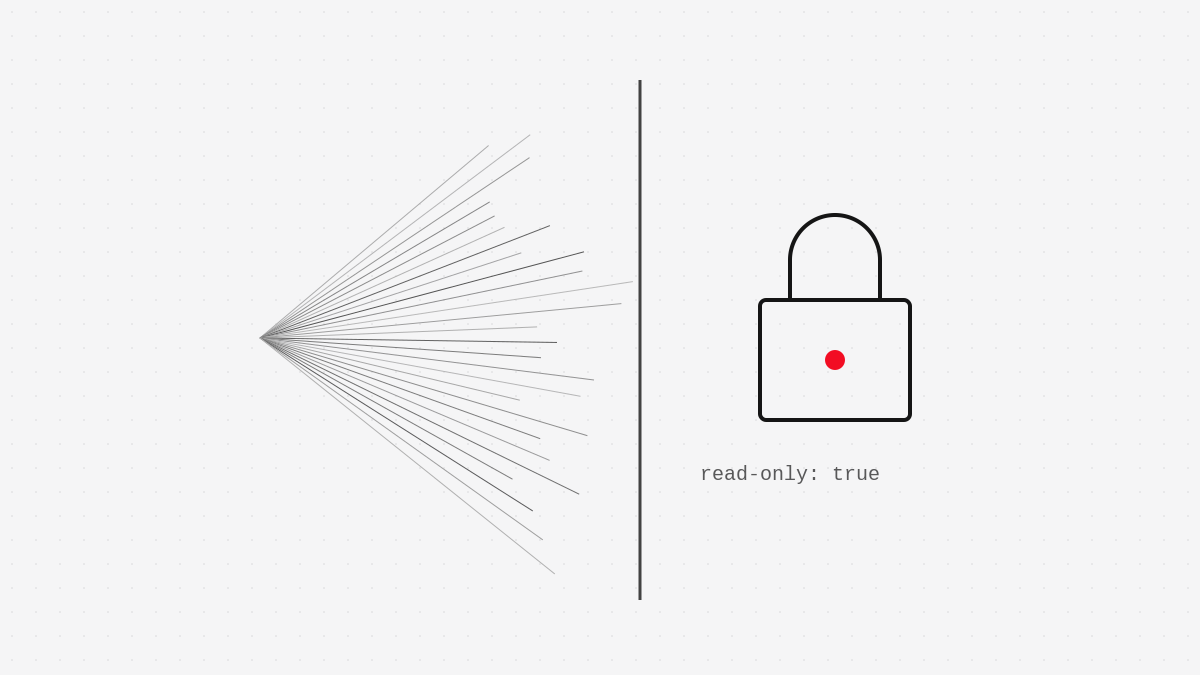
This is the principle CrawlX is built around: defaults refuse, and wider capabilities need an explicit, recorded authorization. The record is not paperwork added after the fact. It is the first thing the work produces, and every later step should be traceable back to it.